
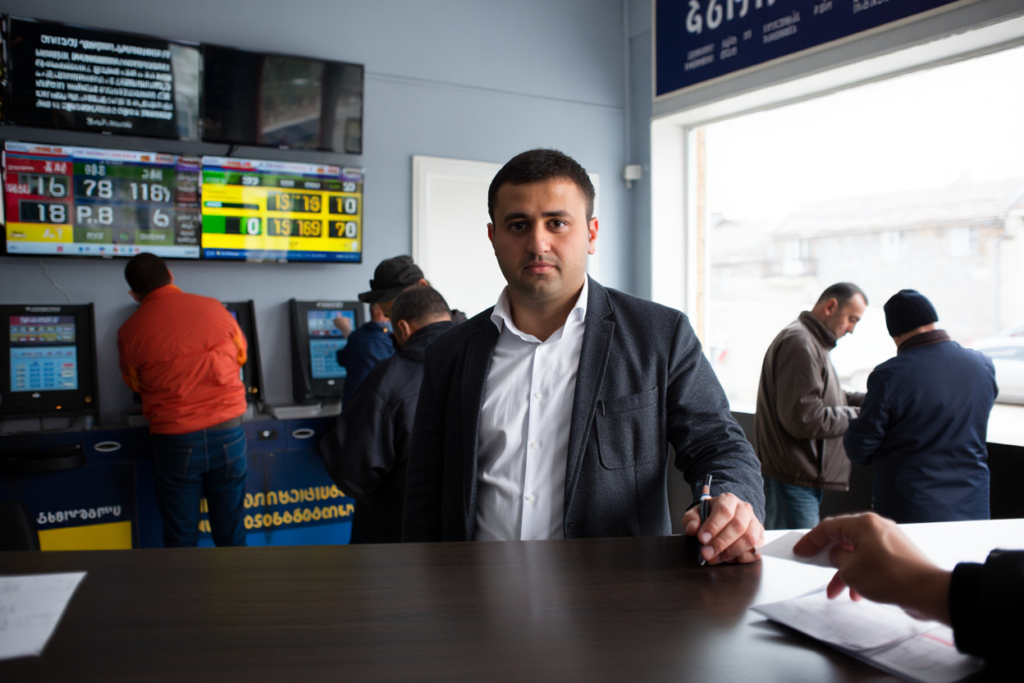
Georgia’s sports betting market has evolved significantly over the past decade, transforming from informal underground operations into a regulated sector with transparent rules and licensed operators. Understanding the current landscape requires examining both the legal framework and practical realities of how betting operates in the country.
Legal Status and Regulatory Framework
Sports betting in Georgia is legal and operates under specific government regulations. The Georgian National Lottery and Betting Agency oversees all licensed operators and enforces compliance with national standards. Any company offering sports betting services must obtain an official license from this regulatory body before accepting wagers from Georgian residents.
The gambling law distinguishes between licensed and unlicensed operators. Licensed platforms must maintain minimum capital reserves, implement responsible gambling measures, and pay applicable taxes. Unlicensed operators face severe penalties, including fines and criminal charges. Most legitimate operators in Tbilisi, Batumi, and other major cities display their license numbers prominently to demonstrate legal status.
Tax obligations are substantial. Licensed operators typically pay 20-30% of their revenue to the state, depending on the specific activity and current legislative amendments. This rate has shaped the competitive landscape, making operational efficiency crucial for profitability.
Identity Verification Requirements
The notion of unverified sports betting in Georgia is largely a misconception promoted by unregulated operators. Licensed platforms operating legally must verify customer identity according to anti-money laundering and know-your-customer regulations. This verification process typically involves providing a passport or national ID number.
Physical betting shops require customers to present identification at registration. Online platforms demand photo identification upload and sometimes proof of address. These requirements protect both operators and bettors by preventing fraud, money laundering, and unauthorized account access.
Unregulated websites advertise anonymous betting to attract customers seeking anonymity. These platforms operate outside Georgian law and expose users to significant risks including account seizure, funds confiscation, and criminal liability. The Georgian Financial Intelligence Unit actively monitors such operations.
Minor Access and Legal Protections
Georgia’s gambling laws explicitly prohibit anyone under 18 from participating in sports betting. Licensed operators implement age verification systems and train staff to refuse service to minors.
Facilitating bets for minors is a criminal offense under Georgian law. Both the facilitating adult and the betting operator (if negligent in age verification) face legal consequences. Licensed betting centers maintain customer records documenting age verification to demonstrate compliance during regulatory audits. The government has increased penalties for operators who fail to enforce age restrictions, with fines reaching 10,000 Georgian lari (approximately $3,500 USD) and potential license revocation for repeated violations.
Betting Centers and Physical Locations
Licensed betting centers operate throughout Georgia, concentrated primarily in urban areas. Tbilisi hosts the majority of such shops, with clusters in central districts like Vake and Saburtalo. These establishments display licenses issued by the National Lottery and Betting Agency in their windows.
A legitimate establishment features clear signage with license numbers, published odds across multiple sports, and trained staff who explain betting rules. Reputable centers offer football, basketball, tennis, and ice hockey betting, with odds updated according to real-time market movements. Many include amenities like comfortable seating, television displays showing live matches, and cash withdrawal services.
Physical locations provide several advantages over online platforms. Bettors can inspect conditions before wagering, speak directly with staff about odds and rules, and withdraw winnings immediately in cash. Many Georgians prefer betting centers for these reasons, particularly those less comfortable with online platforms.
Batumi’s betting scene differs from Tbilisi due to its resort economy. Betting centers in this seaside city attract international visitors and maintain slightly different operational models, with some accepting foreign currencies and offering multilingual support.
Online Sports Betting Platforms
Licensed Georgian operators increasingly offer online platforms accessible via mobile applications and websites. These require identity verification through multiple steps before allowing deposits. Users must provide passport information, email address, and bank account details for deposits and withdrawals.
Major licensed operators include both domestic companies and international firms licensed to operate locally. These platforms offer live betting on global sporting events, with odds comparable to international standards. Deposit methods typically include Georgian bank transfers, credit cards, and digital payment systems like PayPal or Skrill.
Online platforms operating without Georgian licenses pose significant risks. These unregulated sites may not protect customer funds, often lack transparent odds calculations, and can disappear suddenly with deposits. The Georgian Central Bank and Financial Intelligence Unit warn citizens about offshore betting sites, though enforcement remains challenging due to international jurisdiction issues.
Tax and Financial Implications
Winnings from licensed sports betting in Georgia are subject to income tax. The standard rate for gambling winnings is 10-20%, depending on the betting type and amount won. Licensed operators typically deduct this tax automatically before paying out large winnings.
Large winnings (exceeding 10,000 lari, approximately $3,500 USD) trigger automatic reporting to Georgian tax authorities. Failure to report gambling income can result in penalties and criminal charges in cases of significant unreported winnings.
Losses from sports betting are not tax-deductible against other income in Georgia, differing from some international jurisdictions. This creates an asymmetry where only wins generate tax obligations. Professional bettors sometimes seek tax classification as gambling businesses rather than individuals, allowing different treatment of winnings and losses.
Responsible Gambling Measures
Licensed operators must implement responsible gambling programs. These include setting betting limits, providing self-exclusion options, and displaying gambling addiction helpline numbers at betting centers and on websites. The National Lottery and Betting Agency mandates these measures to prevent problem gambling.
Self-exclusion programs allow bettors to voluntarily ban themselves from all licensed platforms for specified periods (typically 6 months to 5 years). This information is shared across the licensed operator network, preventing excluded persons from accessing betting services.
Problem gambling support in Georgia remains limited compared to Western countries. The country operates a small number of counseling services, with mental health clinics in Tbilisi offering gambling addiction treatment.
Future Developments
Georgia’s betting market continues evolving with potential regulatory changes on the horizon. The government has discussed introducing licenses for new operators and expanding permitted betting types to include horse racing and esports. These changes would increase market competition and potentially improve odds for consumers.
Technology adoption accelerates in the Georgian betting sector. Cryptocurrency betting platforms, though unregulated, attract some users seeking anonymity. The regulatory response remains unclear, with ongoing debates about whether digital currency betting should be licensed or banned.
Sports betting in Georgia represents a legally accessible activity for adults who use licensed operators and understand the tax implications. The regulatory framework aims to protect consumers and prevent underage gambling. Using unlicensed operators carries genuine legal risks that outweigh any perceived advantages.